In many Nigerian communities, families face challenges that extend beyond financial constraints, including limited educational opportunities, unemployment, inadequate skills, food insecurity, and scarce resources. While emergency assistance provides immediate relief, it often fails to address the root causes of poverty.
Empowerment programmes play a crucial role in transforming lives by equipping individuals and families with the knowledge, skills, and resources needed for long-term stability.

At the Supportive Pillar Foundation (SPF), empowerment is central to community transformation. Through initiatives in feeding, free skills acquisition, business support, coaching, and development, SPF aims to help vulnerable families move from dependency to self-sufficiency, highlighting the importance of these programmes in combating poverty.
Understanding Sustainable Livelihoods
A sustainable livelihood refers to a family’s ability to meet its present needs while maintaining the resources, skills, and opportunities necessary to meet future needs. It is not merely about earning an income; it encompasses the capacity to withstand economic shocks, adapt to changing circumstances, and maintain a reasonable quality of life over time.

Families with sustainable livelihoods have access to stable sources of income, adequate food, education, healthcare, and opportunities for personal and economic growth. They are less vulnerable to poverty and better equipped to cope with unexpected challenges such as job loss, illness, economic downturns, or natural disasters.
Building sustainable livelihoods requires more than financial support. It requires empowerment that addresses the underlying barriers preventing individuals and families from reaching their full potential.
Breaking the Cycle of Poverty
One of the most significant contributions of business empowerment programmes is their ability to break the cycle of poverty. Poverty often passes from one generation to another when families lack access to opportunities that can improve their circumstances.
Children who grow up in poverty may face barriers to education, nutrition, and personal development. As they become adults, they may struggle to secure stable employment or generate sufficient income, thereby continuing the cycle.
Business empowerment programmes intervene by providing individuals with the tools necessary to improve their economic prospects. Skills training, entrepreneurship support, educational opportunities, and mentorship initiatives help participants gain competencies that can lead to better employment or business opportunities.
When underprivileged individuals acquire valuable skills and knowledge, they become better positioned to generate income, support their families, and invest in their children’s future. This creates a positive ripple effect that extends beyond one individual to benefit entire households and future generations.
Equipping Individuals with Practical Skills
Skills acquisition is one of the most effective forms of empowerment. In today’s rapidly changing economy, practical and marketable skills can open doors to employment, entrepreneurship, and financial independence.
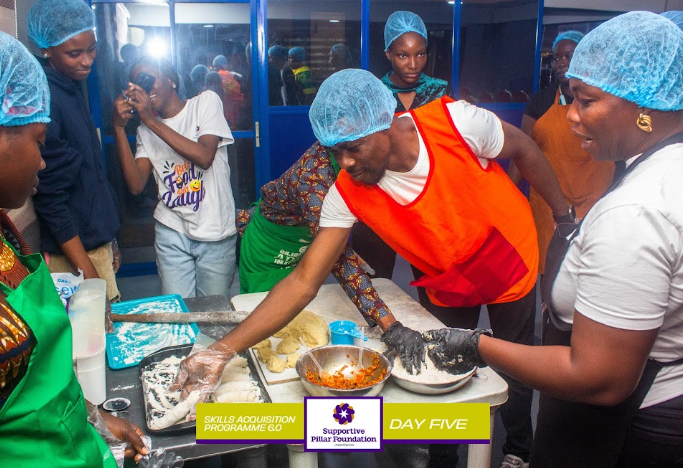
Many empowerment programmes focus on vocational training in areas such as tailoring, catering, hairdressing, fashion design, digital marketing, information technology, crafts, agriculture, and other income-generating activities. These skills provide participants with opportunities to earn a living and create economic value within their communities.
When individuals gain practical skills, they become less dependent on external assistance. Instead of waiting for opportunities, they are empowered to create opportunities for themselves. A trained individual can start a small business, secure employment, or offer services that generate income for their household.
Furthermore, skills training often increases confidence and self-esteem. Participants begin to recognize their abilities and potential, motivating them to pursue greater personal and professional growth.
Promoting Entrepreneurship and Economic Independence
For many families, entrepreneurship serves as a pathway to financial stability. However, starting and sustaining a business often requires knowledge, resources, mentorship, and financial support.
Empowerment programmes often include entrepreneurship training that teaches participants essential business skills, such as financial management, customer service, marketing, record-keeping, and business planning. These skills improve the likelihood of business success and sustainability.
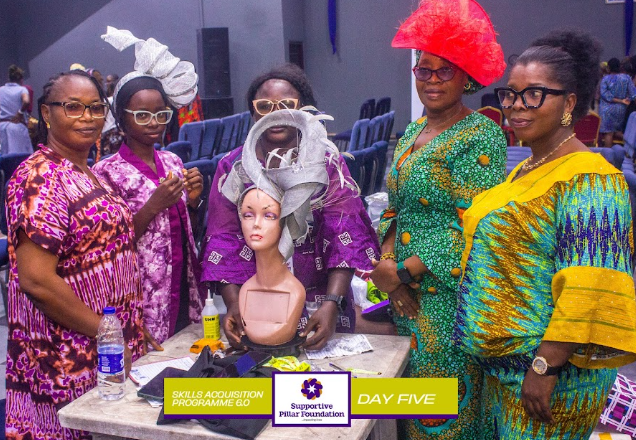
Some programmes also provide access to grants, startup resources, or equipment that help aspiring entrepreneurs launch their ventures. Such support can be particularly impactful for individuals who possess the motivation to start a business but lack the capital needed to begin.
Through initiatives like business grants and entrepreneurial development programmes, families can establish income-generating enterprises that create employment opportunities, increase household income, and strengthen local economies.
Economic independence enables families to make decisions based on their needs and aspirations rather than being constrained by financial hardship. It also reduces reliance on external aid and promotes long-term resilience.
Enhancing Food Security
Food insecurity remains a significant challenge in many communities. Families struggling to meet their nutritional needs often face additional difficulties related to health, education, and productivity.
Empowerment programmes that address food security can significantly improve household well-being. Feeding initiatives provide immediate relief to vulnerable families, ensuring that individuals have access to nutritious meals. However, sustainable solutions go beyond food distribution.
Agricultural training, small-scale farming support, food processing skills, and income-generating opportunities enable families to secure food for themselves while creating additional sources of income. These interventions help households become more self-reliant and less vulnerable to hunger.
When families have consistent access to adequate nutrition, children are better able to learn, adults can work more effectively, and communities become healthier and more productive.
Supporting Women and Widows
Women often play a central role in family welfare and economic stability. However, many women face barriers that limit their access to education, employment, and financial resources. Widows, in particular, may experience additional social and economic challenges following the loss of a spouse.
Empowerment programmes targeted at women and widows help address these challenges by providing skills training, business support, mentorship, and access to resources. Such initiatives enable women to generate income, support their families, and participate more actively in economic and community life.
When women are empowered, the benefits extend beyond the individual. Research and community experience consistently show that women tend to invest in their children’s education, healthcare, and nutrition. As a result, empowering women contributes directly to stronger and more resilient families.
By creating opportunities for women and widows to achieve financial independence, empowerment programmes help restore dignity, confidence, and hope while improving household livelihoods.
Building Confidence and Personal Development
Sustainable livelihoods are not built solely on financial resources; they also require the right mindset and personal development.
Many individuals living in difficult circumstances struggle with low self-esteem, discouragement, or a lack of confidence in their abilities. These psychological barriers can limit their willingness to pursue opportunities or take positive action.
Empowerment programmes often include coaching, mentorship, leadership development, and personal growth training. These components help participants develop confidence, resilience, goal-setting skills, and a positive outlook.
When people believe in their ability to succeed, they are more likely to take initiative, embrace opportunities, and persist through challenges. Personal development serves as a foundation for sustainable economic and social progress.
Strengthening Community Resilience
Empowerment programmes do more than support individual families; they contribute to stronger communities.
As more individuals gain skills, start businesses, secure employment, and improve their livelihoods, local economies become more vibrant and resilient. New businesses create jobs, stimulate economic activity, and provide services that benefit others.
Empowered individuals often become role models, mentors, and community leaders who inspire others to pursue positive change. This creates a culture of self-reliance, collaboration, and collective progress.
Strong communities are better equipped to address social challenges, respond to crises, and support vulnerable members. Empowerment therefore has a multiplier effect that extends far beyond individual participants.
The Long-Term Impact of Empowerment
The true value of empowerment programmes lies in their long-term impact. Unlike temporary assistance that may address immediate needs for a short period, empowerment creates lasting change by equipping people with tools they can continue using throughout their lives.
A family that gains sustainable income can provide education for its children. Educated children have better opportunities for employment and personal development. Successful entrepreneurs can create jobs for others. Empowered individuals can contribute to community growth and support future generations.
This chain of positive outcomes demonstrates why empowerment is one of the most effective strategies for reducing poverty and promoting sustainable development.
Conclusion
Building sustainable livelihoods requires more than short-term solutions. It requires intentional investments in people, opportunities, and community development. Empowerment programmes provide individuals and families with the skills, resources, confidence, and support they need to achieve lasting economic and social stability.
Through skills acquisition, entrepreneurship support, food security initiatives, women’s empowerment, personal development, and community engagement, these programmes help families move beyond survival toward self-sufficiency and growth.
At Supportive Pillar Foundation, we believe that true transformation occurs when individuals are empowered to take control of their futures. By equipping less privileged individuals with the tools to succeed, we are not only helping families overcome immediate challenges but also creating sustainable livelihoods that strengthen communities and build a brighter future for generations to come.
Every empowered individual represents a step toward a more resilient family, a stronger community, and a more hopeful society. Together, through empowerment, we can create lasting change that transforms lives and builds sustainable futures.